
Phrasly: review, pricing and alternatives
What is Phrasly AI? An Overview
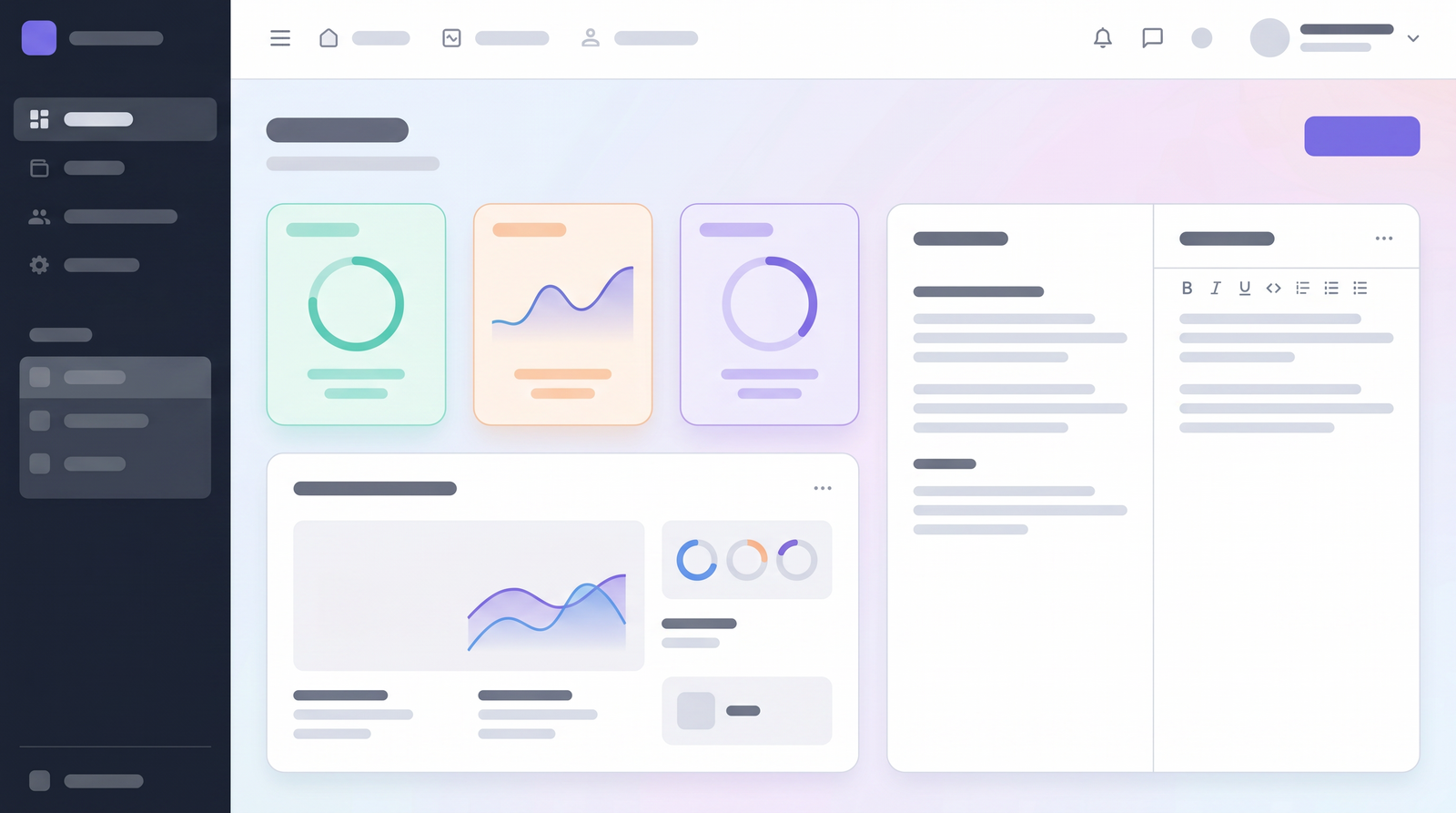
When I first encountered Phrasly AI, it immediately positioned itself as an all-in-one solution for a very modern problem: making AI-generated text sound undeniably human. Launched around 2023, Phrasly's core promise is to take content created by artificial intelligence and transform it so seamlessly that it bypasses even the most sophisticated AI detection tools, including ones like Turnitin and GPTZero. It’s not just a single-purpose tool, though; Phrasly bills itself as a complete “stealth workspace” for writers.
The concept behind Phrasly is quite compelling in today's AI-driven world. Many users, from students to professionals, leverage AI tools like ChatGPT for efficiency. However, the robotic, often repetitive nature of raw AI output, coupled with the increasing scrutiny from AI detectors, creates a new challenge. Phrasly steps in to 'humanize' this content, aiming for a natural flow and tone that mimics human writing, thereby making it undetectable.
Beyond just humanization, Phrasly aims to be a comprehensive writing environment. It’s designed to be a place where you can not only rework AI text but also generate new content and organize your writing projects. The company boasts impressive numbers, claiming millions of users worldwide and billions of words humanized since its inception. This positions Phrasly as a significant player in the evolving landscape of AI writing assistance.
Key Features of Phrasly AI
Phrasly AI isn't just a one-trick pony; it packs several tools into its platform, aiming to be a comprehensive writing assistant. The feature that initially drew my attention, and likely many others, is its **AI Humanizer**. This tool is designed to rewrite AI-generated text, smoothing out the robotic edges and making it sound more natural and engaging. What I appreciate is the option to choose different 'strength' settings – Easy, Medium, or Aggressive – allowing you to dictate how intensely the text is rephrased. This flexibility can be crucial depending on the original AI output and your desired level of human-like nuance.
Complementing the humanizer is Phrasly's own **AI Detector**. It claims an impressive 99.8% accuracy rate in identifying AI-generated content. I found it quite straightforward to use: you paste your text, and it quickly analyzes it, even highlighting specific sentences that it suspects are AI-generated. A notable advantage here is its multi-language support, capable of detecting AI in English, Spanish, French, and German, which broadens its utility significantly for a global user base.
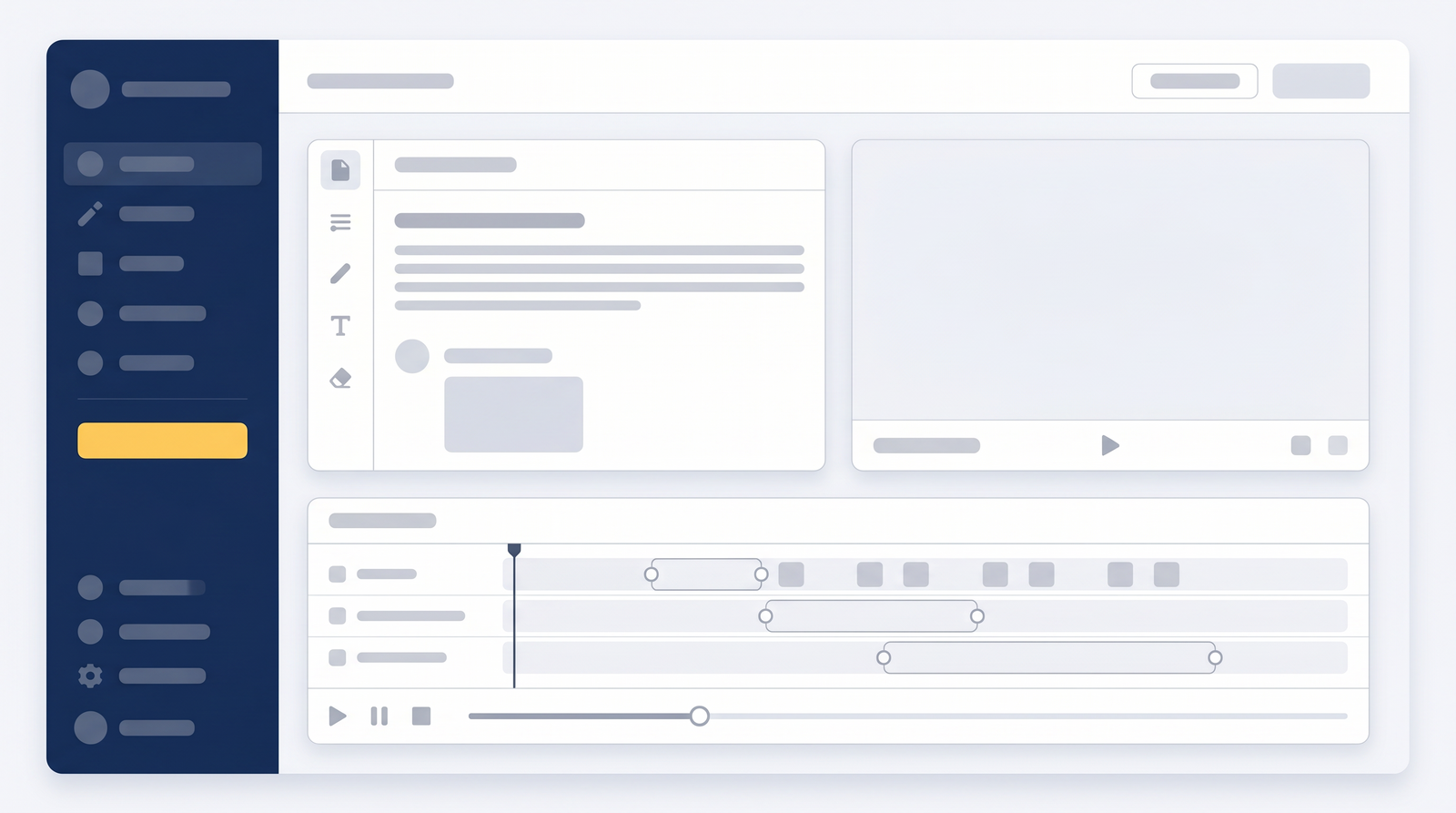
Phrasly also offers a feature called **Phrasly Pages**, which provides a writing environment reminiscent of Google Docs. This integrated editor allows you to write, edit, and humanize your content all within a single interface, fostering a more streamlined workflow. It's a thoughtful addition that prevents the constant back-and-forth between different applications.
Beyond these core offerings, Phrasly includes other useful functionalities. There's an **AI Writer** that can generate full essays or blog posts, complete with citations – a feature that will certainly appeal to students and content creators alike. Additionally, a **Thesis Generator** helps in quickly formulating strong thesis statements for academic papers, further solidifying its position as an all-in-one writing tool.
How Phrasly AI Works: Under the Hood
Understanding how Phrasly AI operates involves a bit of informed speculation, as the exact proprietary algorithms are, understandably, kept under wraps. However, based on my experience with similar technologies and insights from AI experts, we can infer the probable mechanisms at play for both its detection and humanization capabilities.
The **AI Detector** likely functions on a probabilistic model. When you input text, it's probably compared against a vast database of both human-written and AI-generated content. This comparison allows the system to identify subtle patterns – often referred to as the 'fingerprints' of AI-generated language – such as predictable sentence structures, specific vocabulary choices, or adherence to certain grammatical norms that are common in machine outputs. By analyzing these characteristics, the detector assigns a probability score, indicating how likely the text is to be AI or human-generated. The accuracy of such a system heavily relies on the breadth and quality of its training data, constantly learning to differentiate new AI models from authentic human prose.
The **AI Humanizer**, on the other hand, seems to employ a more transformative approach. It's unlikely to be a simple paraphrasing tool. Instead, it probably runs the input text through a series of internal prompts, akin to how a human editor might rephrase sentences. This process would involve making nuanced adjustments to vocabulary, varying sentence structures, and altering grammar to break free from the repetitive patterns often found in raw AI text. The goal is to make the text sound more 'unusual' or idiosyncratic, which is a common strategy to bypass detectors that look for statistical regularities. This process is often described as 'laundering' the text, effectively scrubbing away its machine-generated origins to present a seemingly human-authored piece.
While Phrasly's humanizer aims to make text 'unusual' to evade detection, it's important to remember that sophisticated AI detectors are also evolving, sometimes even trained to spot the characteristic alterations made by humanizer tools.
However, this 'laundering' isn't without potential drawbacks. While the aim is to produce smoother, more natural-sounding text, sometimes these transformations can lead to qualitative degradations, such as slightly awkward phrasing or an unnatural expansion of word count. It’s a delicate balance between making the text undetectable and preserving its original meaning and quality.
Phrasly AI Performance: AI Detection & Humanization
When I put Phrasly AI to the test, its performance in both AI detection and humanization revealed a mixed bag of results, echoing what I've seen in broader user feedback. The core promise of bypassing AI detectors is where things get particularly nuanced. On the one hand, Phrasly's humanizer has shown some success against certain detectors; I've seen reports and personal tests indicating it can effectively bypass tools like GPTZero and Winston AI, especially with its 'Aggressive' humanization setting. This suggests its underlying mechanisms are capable of altering text sufficiently to fool some of the more common detection algorithms.
However, this success isn't universal. When tested against more stringent or different types of detectors, such as Originality.ai, Phrasly's humanized content often struggled, particularly with creative writing outputs, which were frequently flagged as AI-generated. Even more concerning were the tests I ran with the free version of Phrasly; despite using the recommended 'Aggressive' setting, the rewritten text was consistently flagged as 100% AI by detectors like GPTZero and ZeroGPT. This indicates a significant performance gap between the free and potentially the paid 'Pro Engine' versions, or simply an inconsistency in its bypass capabilities across different scenarios.
Regarding the quality of humanization, my experience was generally positive in terms of readability. The grammar was usually fine, and the text flowed smoothly, making it genuinely more pleasant to read than raw AI output. However, the humanizer isn't a magic bullet. I noticed that it could sometimes retain certain 'AI habits,' such as repetitive sentence structures or the overuse of descriptive adjectives in strings of three – a common tell of machine-generated prose. Another practical issue was word count expansion; a 200-word input could easily become 280 words or more after humanization. While this might be desirable for some, it can be a problem when adhering to strict word limits.
One clear strength I observed was Phrasly's performance with technical content. It seems particularly adept at humanizing factual, informative text, often achieving high 'human scores' in such contexts. Conversely, it struggles significantly with creative writing, where nuance, emotion, and unique stylistic choices are paramount. This suggests that while Phrasly can polish AI-generated content for certain purposes, its effectiveness is highly dependent on the type of content you're working with.
User Feedback and Real-World Experience
Diving into the real-world experiences of Phrasly AI users offers a broader perspective beyond my own tests. What I consistently found across platforms like Reddit and Trustpilot was a generally positive sentiment regarding its humanization capabilities. Many users praise Phrasly for its ability to take stiff, robotic AI text and make it sound more natural and engaging. The feedback often highlights its ease of use, speed, and overall effectiveness in polishing AI-generated content, making it suitable for various applications where a human touch is desired.
For instance, I've seen Reddit users express satisfaction with the humanizer feature, noting its reliability and claiming it consistently passes AI detection for their specific needs. Trustpilot, with over 2,300 reviews, echoes this sentiment, with many customers reporting satisfaction with how well it humanizes content, often recommending it to others. This positive feedback suggests that for many, Phrasly successfully addresses the immediate need to improve the readability and perceived authenticity of AI-written drafts.
However, the real-world experience isn't without its caveats, particularly when it comes to the detector bypass claims. While some users report success, numerous tests, including my own with the free version, indicate mixed results. The inconsistency in bypassing different AI detectors, especially more robust ones like Originality.ai, is a recurring concern. This creates a disconnect between the marketing promise and the practical outcome for certain use cases, particularly if the primary goal is guaranteed undetectability.
Another common point of feedback revolves around the free tier. Many users, myself included, found its limitations quite restrictive. The short word count and IP-tied access mean you only get a very brief glimpse of its capabilities, often leading to a sense of hitting a 'paywall' before you can adequately assess its value. This can be frustrating for those wanting to thoroughly test the tool before committing to a subscription, making it feel less accessible for initial exploration.
Pricing and Plans: Is Phrasly AI Worth the Cost?
When considering Phrasly AI, the pricing structure is a crucial factor, and it's designed to encourage annual commitments. The 'Unlimited' plans, which are where the full power of Phrasly's features resides, generally start around $10.99 per month when billed annually. If you opt for a monthly payment, the price can increase to approximately $12.99 or even up to $19.99, depending on the specific tier or any ongoing promotions. This tiered approach, with a clear incentive for longer subscriptions, is common in the SaaS world, but it means you need to be confident in its value before committing for a year.
The free plan, while available, comes with significant limitations that I found quite restrictive. It offers a very short word count for both the humanizer and detector, often capping at around 300-800 words, and it's notably tied to your IP address. This means you might only get one or two proper test runs before hitting the limit, making it difficult to truly evaluate the tool's effectiveness across different types of content. For many, this limited free experience feels more like a teaser than a functional trial, pushing users toward a paid subscription to unlock what's called the 'Pro Engine,' which is marketed as offering superior performance.
One point of concern I've seen highlighted by users, and something to consider, is Phrasly's refund policy. Some feedback suggests that the terms can be quite strict, which might make potential subscribers hesitant, especially given the mixed results on detector bypass. It's always wise to thoroughly understand the refund policy before making a significant annual commitment, particularly for a tool that makes such high-stakes claims.
Here's a general overview of Phrasly's pricing, based on information available, though specific tiers and prices can fluctuate:
| Plan | Price (approx.) | Best for |
|---|---|---|
| Free Plan | $0 | Brief testing, basic humanization of very short texts. |
| Unlimited (Annual) | $10.99/month (billed annually) | Regular users needing extensive humanization and detector access, general academic/professional writing. |
| Unlimited (Monthly) | $12.99 - $19.99/month | Users who prefer flexibility, short-term projects, or want to test the full features before an annual commitment. |
Pros and Cons of Phrasly AI
After spending time with Phrasly AI and synthesizing various user experiences, I've identified several key advantages and disadvantages that prospective users should weigh before committing. It's a tool with definite strengths in certain areas, but also some notable limitations.
On the positive side, one of Phrasly's main strengths is its effectiveness as a humanizer for specific types of content. I found it particularly adept at polishing technical or informational text, making it flow more naturally and sound less robotic. The user interface is generally straightforward and user-friendly, making it easy to navigate its features. The 'all-in-one' workspace, including Phrasly Pages and the AI Writer, is a significant convenience, allowing for a more integrated writing and editing process. For those who need to quickly refine AI-generated drafts for readability and general human-like quality, Phrasly can be quite efficient.
However, the tool also has its drawbacks. The most significant issue, in my opinion, is the inconsistent performance when it comes to bypassing all AI detectors. While it might succeed with some, it frequently struggles with others, meaning there's no guaranteed undetectability. The free plan is notably limited, offering too little word count to conduct thorough testing, which can feel like a frustrating 'paywall' experience. I also observed that while it humanizes text, it can sometimes retain underlying AI writing habits, such as repetitive sentence structures or an overabundance of adjectives. Lastly, the tendency for humanized text to significantly expand in word count can be problematic for tasks with strict length requirements.
- Pros:
- Effective humanizer for technical and informational content.
- User-friendly interface and fast processing.
- All-in-one writing environment with integrated tools.
- Can improve readability and natural flow of AI text.
- Offers strength settings for humanization.
- Cons:
- Inconsistent AI detection bypass across different detectors.
- Very limited free plan.
- Can retain AI writing habits in humanized output.
- Potential for significant word count expansion.
- Struggles with creative writing.
- Concerns about refund policy.
Who is Phrasly AI Best For? Use Cases
Considering Phrasly AI's strengths and weaknesses, it's clear that it caters best to a specific subset of users and use cases. From my perspective, Phrasly shines for individuals who primarily need to polish AI-generated content, especially if that content is technical, academic, or informational in nature. Students and professionals who use AI tools to draft reports, essays, or articles will likely find value in its ability to refine text for better readability and a more natural tone, provided their main goal isn't a guaranteed bypass of all detectors.
It's also an excellent choice for users who appreciate an all-in-one writing environment. If you're someone who likes to generate content, humanize it, and then edit it all within a single platform, Phrasly Pages and its integrated tools offer a streamlined workflow. This can save time and effort compared to juggling multiple separate applications for each step of the writing process.
Crucially, Phrasly AI is best for those who prioritize humanization and improved text quality over an absolute, iron-clad guarantee of detector bypass. While it can bypass some detectors, its inconsistency means it shouldn't be relied upon as a foolproof method for avoiding detection, particularly in high-stakes academic or professional environments where integrity is paramount. If your primary concern is to make AI-generated content sound genuinely human and more engaging to a reader, rather than just 'invisible' to a machine, then Phrasly holds significant appeal.
Conversely, if you're working on creative writing, where unique voice, subtle emotion, and artistic flair are essential, Phrasly might not be the ideal fit, as it tends to struggle with these nuances. Similarly, if your sole objective is to circumvent AI detection services like Turnitin with 100% certainty, you might find its performance less reliable than you hope, particularly with its free tier or against advanced detection systems.
Alternatives to Phrasly AI
In the rapidly evolving landscape of AI writing tools, Phrasly AI is just one of many options available, and it's helpful to understand where it stands in relation to its competitors. While Phrasly aims to be an all-in-one solution, there are numerous other tools, both humanizers and detectors, that offer varying degrees of functionality and effectiveness. If you're exploring alternatives, you'll find a range of general AI humanizers that also promise to make AI text sound more natural, each with its own approach and success rate.
On the humanization side, tools like GPTHuman AI are often mentioned as alternatives, with some reviews suggesting they might offer more consistent results across different content types compared to Phrasly. These humanizers typically employ similar techniques of adjusting vocabulary, sentence structure, and grammar, but their underlying models and training data can lead to different output qualities and detection bypass rates.
When it comes to AI detection, it's important to recognize the strength of tools like GPTZero. Phrasly itself aims to bypass GPTZero, which is a testament to GPTZero's reputation as a robust and widely used AI content detector. Understanding that these detectors are constantly being updated to identify new patterns of AI-generated and humanized text is key. For a broader comparison of how Phrasly stacks up against other tools in this space, you can see how it performs against alternatives on Top10k.
Ultimately, the choice of an alternative often comes down to your specific needs: whether you prioritize humanization quality, guaranteed detector bypass (which is a moving target for any tool), or a comprehensive writing environment. No single tool is a silver bullet, and what works best for one user might not be ideal for another.
Final Verdict: Should You Use Phrasly AI in 2026?
After a thorough look at Phrasly AI, my final verdict is nuanced: it's a tool with significant potential and clear utility for certain users, but it's not a universal solution, especially if your primary goal is guaranteed AI detector bypass. Is it 'worth it' in 2026? That depends heavily on your specific needs and expectations.
Phrasly's strengths lie firmly in its humanization capabilities, particularly for technical and informational content. If you're a student or professional who frequently drafts content with AI and needs to polish it for readability, natural flow, and a more human tone, Phrasly can be quite effective. Its integrated writing environment, Phrasly Pages, also adds value by centralizing your workflow. For these use cases, where improving the quality of AI-generated text is the priority, I would lean towards a recommendation, especially if you're comfortable with the annual subscription model.
However, the inconsistencies in its ability to bypass all AI detectors, especially against more advanced systems like Originality.ai, remain a significant weakness. If your main reason for considering Phrasly is to reliably circumvent AI detection services, particularly for high-stakes academic or professional submissions, you might find its performance unreliable. The limitations of the free plan also make it difficult to thoroughly test its capabilities before committing financially. Moreover, its struggles with creative writing mean it's not the best fit for tasks requiring a unique voice or emotional depth.
In conclusion, Phrasly AI is a commendable tool for enhancing the human-like quality of AI-generated text, particularly in technical domains, and for providing a convenient all-in-one writing space. If you understand its limitations regarding detector bypass and your focus is on making your AI-assisted writing sound genuinely better, then it could be a valuable addition to your toolkit. But approach with realistic expectations, especially concerning its ability to make content truly 'undetectable' in every scenario.
Full profile and live ranking: https://top10k.com/ai/phrasly
Published by

Top10k Tools stands as a collection of free web apps packed with a wide range of free utilities built to save time on routine tasks.
It brings together SEO, file conversion, calculators, developer utilities, image editing, and productivity. Each tool runs right in the browser, with no sign-up required to start.
Top10k Tools is working toward reaching 10,000 useful web tools that solve real problems.
Whether you're a marketer, developer, student, or business owner, the right tool is just a click away. Explore the full collection.
Frequently asked questions
What is Phrasly AI's main purpose?
Phrasly AI is primarily designed to humanize AI-generated text, making it sound more natural and less robotic, with the goal of bypassing AI detection tools. It also offers an AI detector and an all-in-one writing workspace.
Is there a free version of Phrasly AI?
Yes, Phrasly AI offers a free plan. However, it comes with significant limitations, including a very short word count for both humanization and detection, and it's often tied to your IP address, making extensive testing difficult.
How accurate is Phrasly AI's detector?
Phrasly AI claims its AI detector has a 99.8% accuracy rate. While it performs well in identifying 100% AI-generated text, its accuracy can vary when detecting humanized or mixed content, and its performance against other detectors is mixed.
Can Phrasly AI bypass all AI detectors?
No, Phrasly AI cannot consistently bypass all AI detectors. While it has shown success against some tools like GPTZero and Winston AI, it often struggles with others, such as Originality.ai, particularly with creative content or when using its free version.
What are Phrasly AI's pricing plans?
Phrasly AI offers 'Unlimited' plans that start around $10.99 per month when billed annually. Monthly plans can range from approximately $12.99 to $19.99. These paid plans unlock the 'Pro Engine' and full features.
Is Phrasly AI good for creative writing?
Phrasly AI is generally not recommended for creative writing. While it excels at humanizing technical and informational content, it often struggles with the nuances, unique voice, and emotional depth required for creative pieces, sometimes retaining AI writing habits.
Are there alternatives to Phrasly AI?
Yes, several other AI humanizer tools exist, such as GPTHuman AI, which offer similar services. For AI detection, tools like GPTZero are prominent. The best alternative depends on your specific needs for humanization quality, detection bypass, or an integrated writing environment.
Is Phrasly AI worth the cost?
Phrasly AI can be worth the cost if your primary need is to polish AI-generated technical or informational content for readability and a natural tone, and you appreciate an all-in-one writing workspace. However, if your main goal is a guaranteed bypass of all AI detectors, its inconsistent performance may make it less worthwhile.